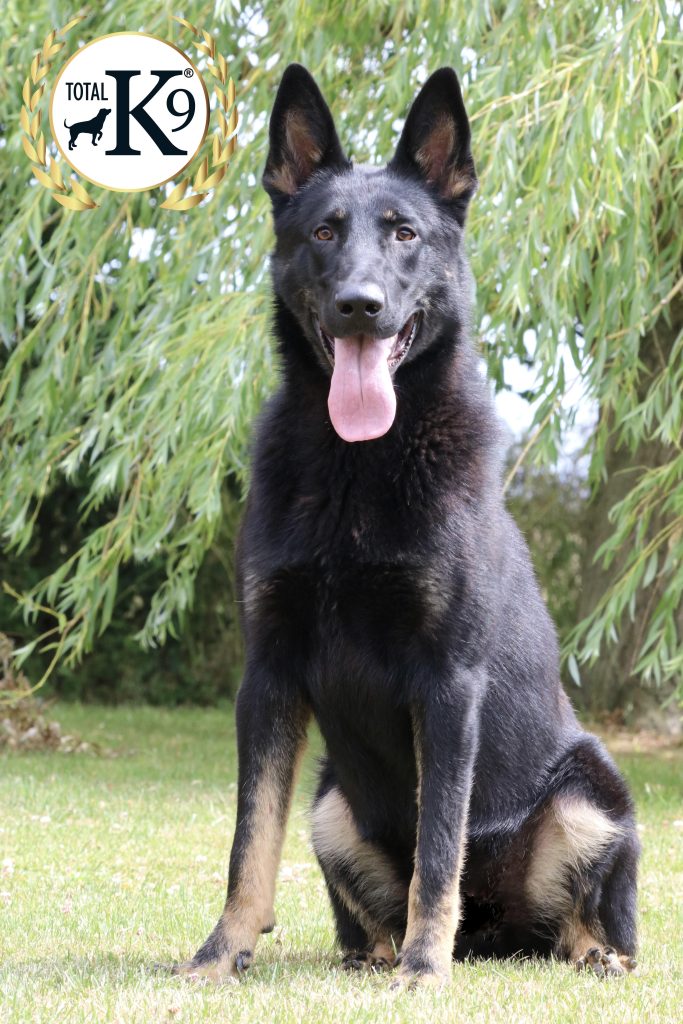
Having a well-trained protection dog by your side offers a tremendous sense of companionship and security. However, you need to do your part as a responsible dog owner and take on the responsibility of raising your canine companion correctly.
As well as proper training and handling, you need to be aware of the legal side of dog ownership in the UK, as well as correct care for your dog. So, this article will offer you some top tips for responsible protection dog ownership so that you can build a lasting relationship with your canine companion.
1. Understand What a Protection Dog Really is (and isn’t)
A protection dog is much more than a big, intimidating dog that barks at strangers. A genuine protection dog should be properly trained by professionals (like our team at TOTALK9) to read and handle various situations effectively. They should be:
• Steady-nerved and confident
• Calm and neutral in everyday situations
• Highly obedient and responsive to the handler
• Able to switch on and off on cue
If your dog is lunging at other dogs on walks, barking at visitors or generally difficult to control, it isn’t acting like a protection dog. Instead, they are demonstrating poor training, fear or insecurity. Responsible ownership always begins with the right mindset, where stability and control are more important than aggression.
2. Know Your Legal Responsibilities in the UK
In the UK, you are legally responsible for your dog’s behaviour at all times, whether they are protection-trained or not. A few things you should keep in mind as a dog owner include:
• Your dog does not need to bite for you to be in trouble. If someone is genuinely afraid they may be injured by your dog, that can be enough to trigger legal action.
• Protection training is not a legal defence. You can’t say “he was doing his job” and expect that to excuse an incident.
• If your dog injures someone, you may face criminal charges, civil claims, and the risk of your dog being seized or destroyed.
So, as a responsible owner, you should make sure that you understand the basics of UK dog law (especially around “dangerously out of control” behaviour). It’s also good advice to err on the side of caution when out and about in public with your protection dog. If you feel a situation is unsafe or that your dog is being provoked, it’s always safer to leave before things escalate.
3. Be Honest About Your Reasons for Wanting a Protection Dog
Before you commit, ask yourself some hard questions about why you want a protection dog. Consider questions such as:
• Do you genuinely need a protection dog?
• Are you prepared for structured training and management?
• Can you commit time every week to maintaining obedience and control?
• Can your household (children, visitors, other pets) handle a high-drive working dog?
Protection dogs are not the right choice if you just want a deterrent because you feel vaguely unsafe. Similarly, these dogs really benefit from regular training, so you need to make time for your protection dog.
Owning a protection dog is less like owning a pet and more like partnering with a working animal. They can work really well in family environments, but protection dogs do need consistent training and time put into them. Responsible ownership starts with choosing one for the right reasons.
4. Work With Reputable Protection Dog Professionals
DIY protection training is dangerous and ill-advised. Social media is full of bite-sleeve clips and “guard dog hacks”, but real protection work is much more comprehensive. At TOTALK9, for example, our training covers:
• Careful temperament assessment
• Correct development of drive and confidence
• Controlled exposure to pressure and stress
• Clear, reliable disengagement work
Having a strong training foundation for your protection dog is the best way to ensure they can do their job effectively. By choosing a reputable trainer, like one of our team at TOTALK9, both you and your dogs have all the tools needed to grow together.
5. Focus on Obedience and Keep it Sharp
Protection dogs need to be obedient, as it creates a foundation of safety for your dog’s entire life. As the owner, you need to make sure your dog listens to your commands consistently. That means they should be able to:
• Come immediately when called, even under distraction
• Hold a down-stay calmly in different environments
• Walk nicely on a lead around people and dogs
• Respond to “leave it”, “out” and similar control cues instantly
This is a lifelong practice, so incorporate obedience training into your day-to-day activities. For example, you can:
• Practice short (around 5 to 10 minutes) and focused obedience sessions most days.
• Train in different environments such as at home, in parks and near busy roads.
• Don’t allow “sloppy” obedience; if you ask for something, calmly insist it happens.
A dog that doesn’t listen when it’s calm will not suddenly become obedient when it’s fired up.
6. Work Towards Deep, Ongoing Socialisation
A great way to keep up with training your protection dog is through proper socialisation. Socialising them with other dogs, as well as humans, can give protection dogs a more well-rounded demeanour. It offers them a clearer picture of normal life, which helps distinguish threats. So, try to incorporate controlled exposure to things like:
• Different people of all ages and appearances
• Different ethnicities, clothing styles, mobility aids, and behaviours
• Other dogs, traffic, public transport, shops (where permitted)
• Noisy or busy environments such as near building sites, town centres, car parks
Good socialisation is about focusing on calmness, rather than hyping your dog up around people or other dogs. It should also be structured and, ideally, reward-based to reinforce neutral, relaxed behaviour.
The goal isn’t to make the dog love everyone, but to teach it that most of the world is harmless, so it only switches on when truly necessary.
7. Develop Your Own Handling Skills
Although proper training is a core part of owning a protection dog, you’re an important part of the process, too. A highly trained dog with a clueless handler is simply not safe. So, spend some time developing your own handling skills so that you can effectively work as a team. This might mean working on things like:
• Calm, confident body language
• Holding the lead correctly and safely
• Clear, consistent voice commands
• Reading your dog’s body language (stress, arousal, conflict)
If you’re unsure about this, you can ask your trainer to work with you directly. You should feel confident handling your dog in busy public spaces, when approached by strangers and when something unexpected happens. With the right tools and approach, you can learn to become a competent handler, which in turn supports your protection dog.
8. Manage Public Spaces Properly
When out and about with your protection dog, it’s worth remembering that some people are fearful of bigger dogs. The general public doesn’t know your training history, and oftentimes, they just see a powerful dog. So, try to be considerate and responsible with your dog at all times in public. To help with this, consider:
• Using secure, well-fitted equipment (collar and lead, or collar plus harness; muzzle where appropriate).
• Avoid letting strangers pet your dog, even if the dog is friendly. In most cases, it’s simpler and safer to say, “Sorry, he’s working.”
• Don’t use your dog to intimidate others. That includes stepping closer with the dog when disputes arise.
• Choose quieter routes and times for exercise if your dog is still young or newly placed.
Your goal is for people who see your dog to think, “That’s a very well-trained dog,” not “That dog is scary.”
9. Create a Safe Home Environment
A protection dog’s behaviour at home is as important as their behaviour outside. Protection dogs can integrate into family life with ease, but you need to make sure the environment is right for them. So, make sure:
• Gates, fences, and doors are secure and checked regularly
• The dog is not able to reach delivery drivers or passers-by at the front door or garden fence
• You have a clear system for managing visitors (friends, tradespeople, children’s friends)
Some other good tips for creating a safe home environment include creating a space (such as a room or bed) for your dog to go to when the doorbell rings. You can also use baby gates or internal doors as barriers when new people come to visit. It’s also a good idea not to let the dog make first contact with a visitor without an invitation first.
In short, you decide who is allowed in your home, not the dog. The dog should learn that visitors are your responsibility, not theirs.
10. Make Welfare a Priority for Your Protection Dog
Protection work doesn’t give you a free pass on welfare. Although these dogs are highly trained, they still need to have a good quality of life. When it comes to good welfare, you need to provide a few things:
• Adequate physical exercise, tailored to your dog’s age and build
• Mental enrichment beyond bite work, such as scent games, obedience, problem-solving and general play
• Time to eat, rest, sleep, and be a dog
• Regular veterinary care, joint support where appropriate, and a suitable diet
A burned-out, overworked or constantly stressed dog is not just unhappy; it’s also more likely to make poor decisions. So, remember to make welfare a priority and give your protection dog a good life.
11. Keep Training Up Throughout the Dog’s Life
Training doesn’t end when the dog is delivered or when a course is over. Skills fade without practice. Your job as owner, then, is to keep these skills sharp with consistent training. You can do this by:
• Booking regular follow-up sessions with your trainer
• Refreshing obedience and control exercises weekly
• Occasionally revisiting scenarios under professional supervision (e.g. controlled “intruder” training)
• Adjusting expectations and workload as the dog ages or if circumstances change
Think of training like fitness. You don’t go to the gym for six months and expect to be fit for the next ten years. Your dog’s training is exactly the same.
12. Know When a Protection Dog Isn’t the Right Solution
Part of being responsible is recognising limitations. A protection dog is one layer of security, not a magic shield. They are not the right solution if:
• Your main problem is neighbourhood disputes or antisocial behaviour (often better handled by police, councils, or cameras)
• You can’t make enough time to properly train a protection dog
• You don’t have stable routines at home. Constant chaos makes responsible management very hard
In many cases, alarms, lighting, CCTV, secure doors and windows, and better personal awareness reduce risk far more than a dog alone. A responsible owner sees the dog as part of a broader security plan, not a shortcut.
Get the Most From Your Protection Dog With These Tips
Responsible protection dog ownership in the UK comes down to a simple principle: the more capable your dog is, the more careful you must be.
A well-bred, well-trained protection dog can be a fantastic addition to the right home. They are a calm family companion that also offers real security and deterrence. However, that only happens when the owner takes the role seriously. That means investing in training, respecting the law, managing risk, and always putting the dog’s welfare first.
Get those things right, and your protection dog won’t just keep you safer; they’ll live a safe, balanced, rewarding life alongside you. If you’re considering a protection dog or want help with training, then our team at TOTALK9 would love to help. Please contact us today to get started.