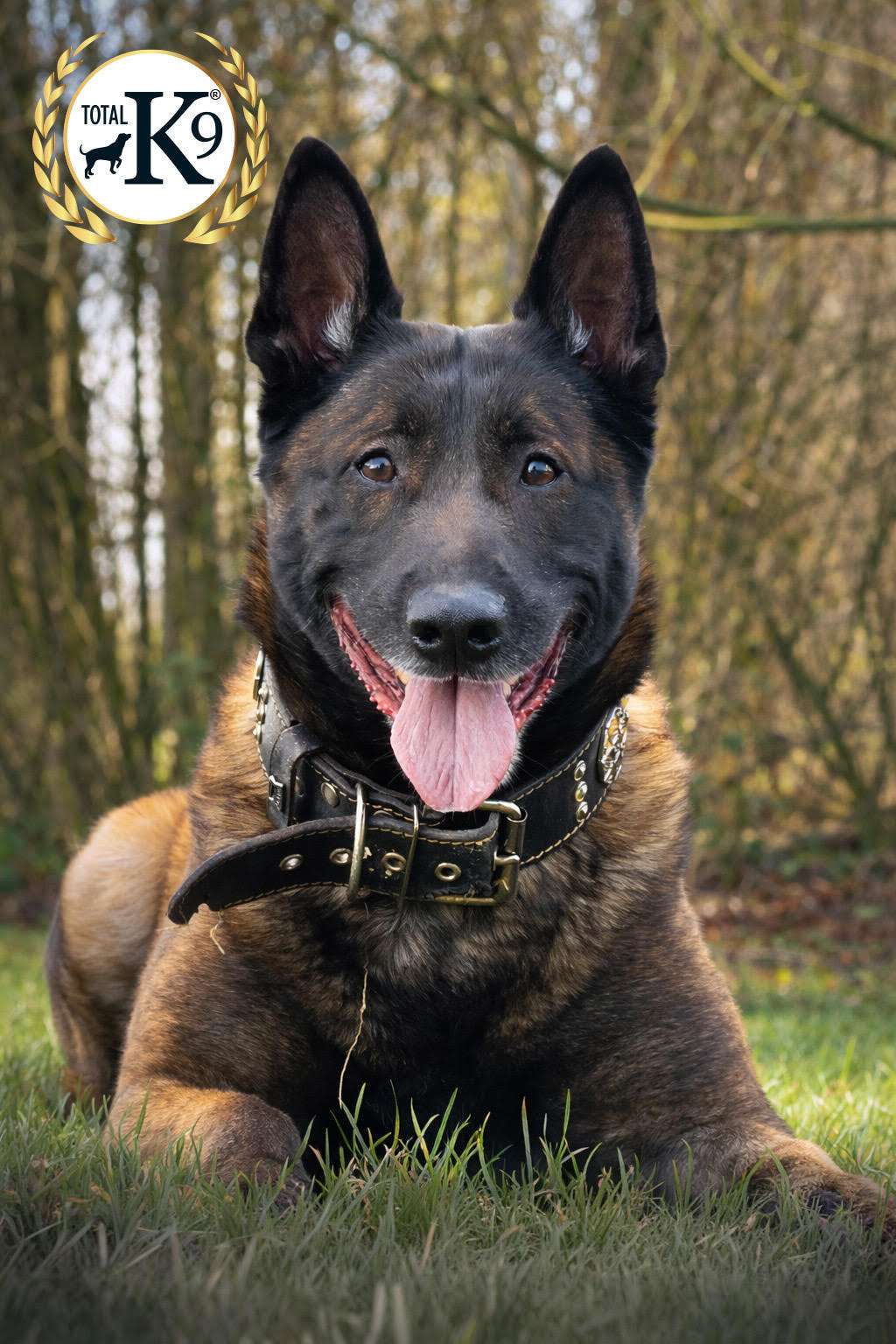
Keeping your protection comfortable throughout the seasons can be difficult, especially during heatwaves and particularly cold snaps. However, it’s really important to understand their needs in this regard, as their well-being affects both their performance and quality of life.
Thankfully, the UK weather is quite mild for most of the year. However, we do experience humid summer heatwaves and damp, biting winters. When the weather becomes uncomfortable for your protection dog, there are lots of things you should – and should not – do to help them.
In this article, we’ll provide you with some practical tips to help keep your protection dog comfortable throughout the seasons. We’ll also take a look at some persistent myths to help separate fact from fiction when it comes to keeping your protection dog safe from intense heat and cold.
Why Seasonal Comfort Matters for Protection Dogs
Protection dogs are typically larger breeds with dense muscle mass and, in many cases, double coats. Breeds commonly used for protection work, such as the German Shepherd, Belgian Malinois and Doberman, are athletic and driven, but that doesn’t make them immune to temperature stress.
Seasonal discomfort can lead to a wealth of problems for protection dogs. Some common issues include:
• Reduced focus and slower response times
• Irritability or behavioural changes
• Increased risk of heatstroke or hypothermia
• Joint stiffness and mobility issues
• Skin and coat problems
These problems affect both the quality of life of your protection dog and its ability to work competently. Keeping your dog comfortable is not a luxury; it should be a part of responsible ownership.
Keeping Protection Dogs Comfortable in Summer
Although most of the year is consistently mild, UK summers are becoming increasingly unpredictable. Heatwaves now regularly push temperatures beyond what many traditional protection breeds are comfortable handling without support.
When the mercury rises and temperatures get too hot, it helps to know how to help your protection dog. So, let’s go over a few pieces of advice that will help keep your protection dog cool in the summer heat.
Understand the Risk of Heatstroke
Dogs do not sweat like humans. They regulate temperature primarily through panting and limited sweat glands in their paws. This makes them far more vulnerable to overheating. So, when it gets a little too warm outside, make sure you’re keeping an eye out for signs of heatstroke. This could include:
• Excessive panting or drooling
• Bright red gums
• Vomiting or diarrhoea
• Disorientation
• Collapse
Protection dogs are particularly at risk because they are often high-drive animals who will continue working despite discomfort. In many cases, you will need to know when to let your dog rest and cool down.
Ideally, you can avoid the risk of heatstroke by timing your activities. Any intense training should be scheduled outside of peak heat times (11 am to 4 pm) to avoid the worst of the heat.
Provide Constant Access to Fresh, Cool Water
Proper hydration is the best way to keep your protection dog safe and healthy when things get too warm. Make sure you provide them with plenty of fresh, cool water to keep them hydrated. The right approach is helpful here, as you need to think about your dog’s health and wellbeing in the heat. So, make sure that you:
• Use heavy, non-tip bowls
• Refresh water several times per day
• Consider adding ice cubes in extreme heat
• For outdoor dogs, provide shaded water stations
If you’re training outdoors, always carry water. Working breeds may not self-regulate their effort, putting themselves at risk of overheating.
Create Cool Resting Zones
Your protection dog needs a consistent place to stay cool when things get warm. If your protection dog lives in the family home, then you can place cooling mats in their preferred spots.
If your protection dog remains outdoors in the heat, then make sure there is some sort of shade available. This could be natural shade from trees or an insulated kennel that is positioned away from direct sunlight. Another good idea is to have raised beds that allow for airflow underneath.
Adjust Exercise Intensity
High-drive breeds like the Belgian Malinois will often push through discomfort to complete a task. Your role as their owner is to be mindful of this and know when they have had enough exercise.
In hot weather, you need to be extra careful during training activities, as overheating will happen much faster. One of the best ways to mitigate this risk is by adjusting the intensity of the exercise provided. You can do this by:
• Reducing bite-work sessions in duration
• Shortening obedience drills
• Avoiding hard sprinting on hot surfaces
• Checking pavement temperature before walks (if it’s too hot for your hand, it’s too hot for your dog’s paw)
A simple rule: If you cannot comfortably hold your hand on the pavement for five seconds, it’s too hot for your dog’s paws.
Don’t Over-Shave When Grooming
Many protection dogs are double-coated, which can look quite overbearing in the summer heat. You may be tempted to shave down their coat to cool them down, but this is a bad idea for double-coated dogs like Huskies and Labradors.
Double coats act as insulation against both heat and cold. Shaving can disrupt temperature regulation, increase the risk of sunburn and damage coat regrowth. So, we advise against going for the clippers if you’ve got a dog with a double coat.
Instead of shaving, you can try to brush the coat regularly to remove any loose undercoat. Keeping the coat in good overall condition is also helpful, as it ensures temperature regulation is working. If you’re concerned about your dog’s coat, then it’s a good idea to speak with a professional groomer.
Keeping Protection Dogs Comfortable in Winter
UK winters are often damp rather than dramatically snowy, but cold rain and wind chill can penetrate even thick coats. Keeping your protection dog comfortable in winter can be difficult, especially due to persistent rain and occasional snow. So, let’s go over some advice to help during the colder months.
Don’t Assume Thick Fur Equals Invincibility
Even hardy breeds like the German Shepherd can suffer from prolonged exposure to the cold. Factors that increase vulnerability include:
• Older age
• Lean body condition
• Illness
• Extended inactivity outdoors
Wind chill and wet fur significantly reduce insulation. So, when the weather gets properly rotten outside, it’s a good idea to provide shelter for your protection dog.
Upgrade Outdoor Kennel Insulation
If your protection dog has outdoor accommodation, winter-proofing can make things much more comfortable for them. This doesn’t have to be an expensive job, and can actually be quite a fun bit of DIY. Some things you can do to help improve the outdoor accommodation include:
• Raised kennel floors
• Insulated walls
• Straw or thermal bedding (changed regularly)
• Windbreak positioning
• Waterproof roofing
Never allow damp bedding to persist, as moisture strips warmth quickly.
Support Joint Health in the Cold
Cold weather can exacerbate stiffness, particularly in large working breeds. The winter months can be particularly challenging for older, larger dogs, which is why keeping their joints in good condition is important. So, make sure your protection dog is at a healthy weight and, if advised by a vet, is taking joint supplements.
Other things you can do to keep your protection dog’s joints healthy are to keep up with regular exercise in the winter. Just don’t overdo it and focus on low-impact exercise to protect their joints. Avoid long periods of complete inactivity, as this can weaken the joints and add to the risk of injury.
Protect Paws From Salt and Ice
Rock salt used on UK roads can irritate or burn paw pads. Although not a major concern, some dog breeds have more sensitive skin than others, so it’s good advice to:
• Rinse paws with lukewarm water
• Dry thoroughly
• Apply paw balm if needed
Check regularly for cracks or cuts. If your dog is experiencing pain in their paws, then a visit to the vet is always a good idea.
Mythbusting Misconceptions About Seasonal Dog Care
There are plenty of myths, old wives’ tales and superstitions that surround animal care in extreme weather. Unfortunately, many of these aren’t backed by science and can be dangerous for your protection dog. So, to make sure you’re keeping your animal companion safe during summer and winter, let’s go over some of these myths and bust them.
Myth: Protection Dogs Are Too Tough to Feel the Cold
While working breeds are resilient, they are still mammals with limits. Toughness does not equal immunity to environmental stress. You should always provide a warm, dry space for your protection dog to rest and shelter from the cold.
Myth: If a Dog Lives Outside, They Adapt to the Weather
Although many protection dogs are incredibly hardy, their adaptations to the cold weather have limits. Gradual seasonal change helps, but abrupt temperature shifts (such as sudden heatwaves or frost snaps) still pose risks.
Myth: A Bigger Dog Handles Heat Better
This myth runs counter to the reality of the situation. Bigger dogs retain much more energy and heat than smaller ones, and it’s harder for them to lose that heat quickly. This body mass retention means that they are at a much higher risk of heat stroke in the summer.
Myth: Don’t Use Cold Water on a Dog With Heatstroke
This is an old myth that still comes around from time to time. There is no evidence that cooling a dog quickly with cold water causes shock. In fact, current research strongly supports rapid cooling using cold water as the safest and most effective way to reduce core body temperature.
Withholding cold water for fear of “cooling too quickly” can delay lifesaving treatment. Instead, use cold water immediately (the colder the better) as long as it is safe and the dog is supervised.
Myth: Heatstroke Isn’t Urgent
Heatstroke is a medical emergency and always requires a visit to the vet. Research from the Royal Veterinary College (RVC) shows that owners often underestimate the urgency compared to vets. Signs can escalate rapidly from panting and drooling to seizures and a heightened risk of brain damage.
Delays in treatment significantly increase the risk of death. So, when dealing with heatstroke in your protection dog, remember: get them wet, then take them to the vet.
Myth: Towels Help Cool the Dog
The myth that using a cold, damp towel to cover a dog with heatstroke is actually quite dangerous. Draping a dog in towels and leaving them in place can trap heat and reduce effective cooling. This trapped heat can actually make the symptoms of heatstroke worse.
So, the best approach is to fully immerse the dog in water if possible or to apply a continuous flow of cool water. Simply covering with wet towels and leaving them is not effective.
When to Seek Veterinary Advice
Knowing when to seek professional help for your protection dog is really important. Contact your vet if you notice:
• Persistent lethargy
• Excessive panting in mild weather
• Shivering indoors
• Limping or stiffness
• Loss of appetite
Seasonal discomfort should never escalate into illness. By knowing what signs to watch out for, you can be there for your protection dog when they need you most.
Keep Your Protection Dog Comfortable During Extreme Weather
A comfortable protection dog can do their job much better than an uncomfortable one. As a protection dog owner, it’s your responsibility to make sure they are safe during hot and cold weather. Whether it’s a humid July afternoon or a freezing January morning, your dog depends on you to manage the environment responsibly.
By understanding temperature risks, knowing about common myths and adjusting routines proactively, you ensure your protection dog remains healthy, comfortable and ready to perform, whatever the British weather throws your way.
If you’re still looking for the right protection dog for your needs, then our team at TOTALK9 would love to help. Please contact us today if you have any questions or would like our help.