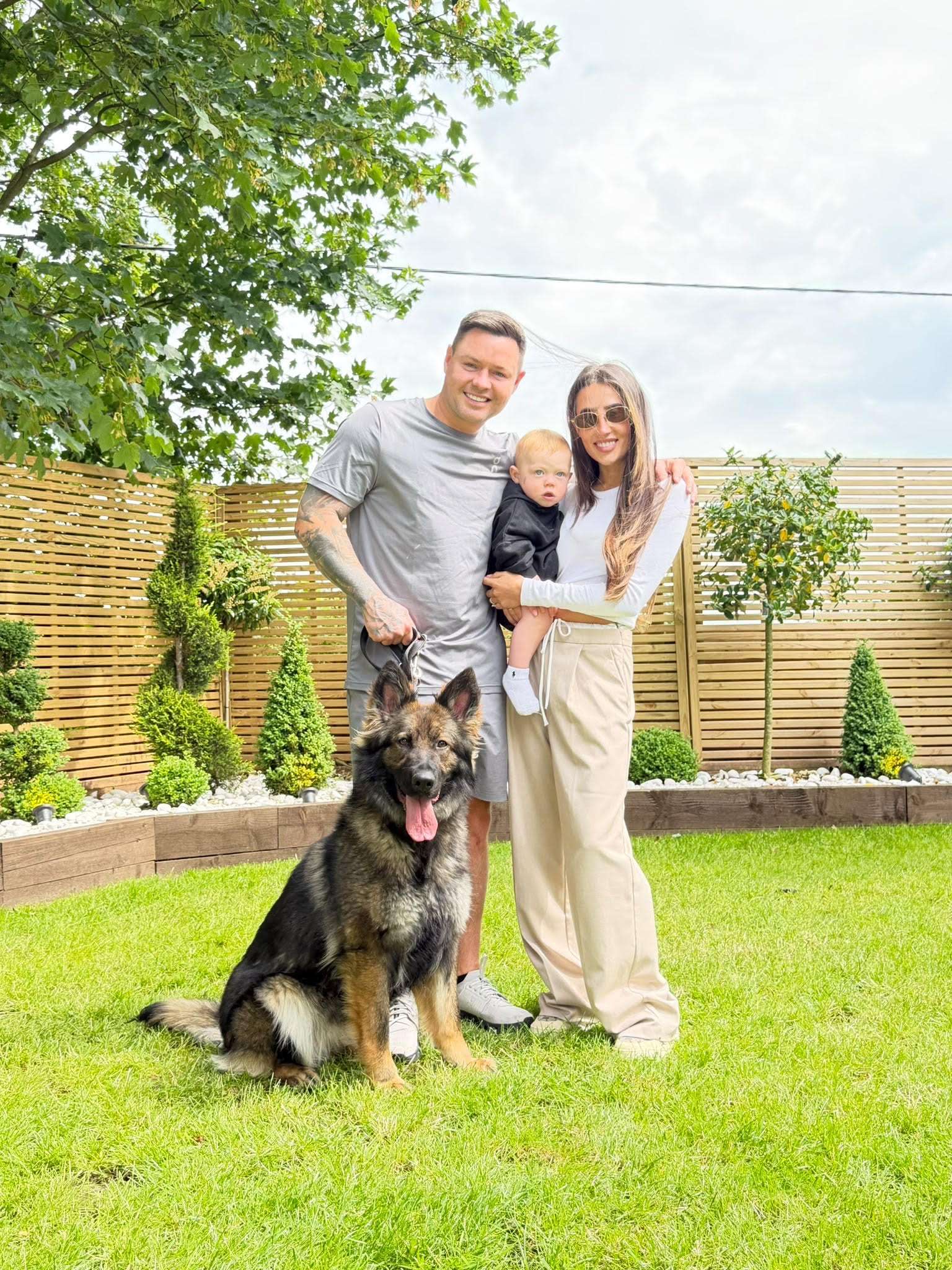
Bringing a protection dog home is incredibly exciting, but it is also the start of some serious responsibilities. Owning a professionally trained protection dog offers enhanced security, but they are also loyal, intelligent, and highly capable animals that require structure, consistency, and clear leadership.
The first few weeks with your new protection dog will mainly be about helping them settle into a new environment. Even if the dog has been professionally trained, they still need time to understand their new home, their new handler, their daily routine and the boundaries of family life. This is why building trust with a new protection dog is such an important part of the early settling-in period.
Knowing what to expect can make the transition much smoother. With the right preparation, realistic expectations and ongoing support, a protection dog can become a calm, confident and valued part of the household. In this article, we’ll show you what to expect when bringing a protection dog home, so you’re ready to give them a wonderful life from the outset.
The First Few Days Are About Calm, Not Testing
When your protection dog first arrives, it can be tempting to see everything they can do straight away. You may want to introduce them to everyone, take them everywhere, or test their training in different situations. However, the first few days should be calm and controlled.
Your dog has left a familiar training environment and entered a new home full of unfamiliar sights, sounds, smells and routines. Even confident dogs need time to adjust. This settling-in period is not a sign of weakness or uncertainty, but a normal part of helping any dog, including a trained protection dog, feel secure in a new environment.
Keep the First Day Simple
The first day should be straightforward. Allow your dog to explore their new surroundings in a calm, supervised way. Show them where they will sleep, rest, and eat. Keep visitors away at first and avoid excitement from children or extended family members.
A short walk, a calm introduction to the home, food, rest and quiet time is usually enough. Your dog does not need to experience every room, person and situation immediately; a steady start helps set the tone for the days ahead.
Avoid Overwhelming Your Dog
Too much too soon can make the first stage harder than it needs to be. Loud greetings, constant attention, busy social introductions and unpredictable activity can confuse or overstimulate a dog that is still learning their new environment.
Instead, focus on calm handling and simple routines. The aim is not to create distance from the dog, but to give them the space and structure they need to settle properly.
Structure Helps Your Dog Understand Their New Home
One of the most important things a protection dog needs is clarity. This is a key part of responsible protection dog ownership, because clear rules help the dog understand what is expected from the beginning. They should understand what they are allowed to do, where they are allowed to go, and how they are expected to behave. This is why household rules matter from the beginning.
Before your dog arrives, it is useful to agree on the basics, such as:
• Will the dog be allowed upstairs?
• Are they allowed on furniture?
• Where will they sleep?
• Who will feed them?
• How will visitors be managed?
• What should children do when the dog is resting?
These decisions may seem small, but they help your dog understand their place in the home.
Consistency Across the Household
A protection dog will respond best when everyone in the household follows the same rules. Mixed messages can create confusion. For example, if one person allows the dog to jump up while another person corrects it, the dog may not know what is expected.
Consistency here isn’t about being harsh, but being fair and predictable. Dogs are calmer when they understand the rules.
For a protection dog, this matters even more. These dogs are intelligent and capable, so they should not be left to make decisions for themselves in everyday situations. They need to look to their handler for guidance.
Leadership Is Not About Dominance
Good leadership is calm, clear and consistent. Avoiding over-dominant behaviour such as shouting, intimidation or being heavy-handed.
Your dog should learn that you are reliable and worth listening to. This is built through daily handling, clear communication and fair boundaries. Feeding, walking, training, resting and spending time together all help build that relationship.
The Handover Is an Important Part of the Process
A reputable protection dog provider should never simply deliver the dog and leave. Before committing to a dog, it is worth knowing the right questions to ask before buying a protection dog, including what support, handover and aftercare are included.
During the handover, you should be shown how to communicate with your dog, use key commands, manage routine situations and maintain the dog’s training at home. This is also your opportunity to ask questions and build confidence as a handler.
Learning How to Handle Your Dog
Even if the dog is already trained, the new owner still needs to learn how to handle it correctly. Protection dogs are trained to respond to clear commands, body language and routines. If these are used inconsistently, the dog may become confused. The handover may include guidance on:
• Lead walking
• Recall
• Place commands
• Visitor management
• Feeding routines
• Rest periods
• Safe introductions
It may also include advice on what not to do, such as allowing visitors to overexcite the dog or trying to test the dog’s protection training yourself. The goal is to help the dog and owner work as a team.
Introductions Should Be Controlled and Gradual
A protection dog can live successfully in a family home, but introductions need to be managed properly. This includes introductions to children, visitors, extended family members and other pets. For families with children or existing animals, it can also help to understand how a family protection dog adapts to children and other pets.
Your dog needs to understand who belongs in the home, who visits occasionally, and how they are expected to behave around different people. They should not be encouraged to decide this for themselves.
Introducing Children
Children should be taught how to behave around the dog from the beginning. They should not climb on the dog, disturb them while sleeping, pull at them, take food away, or crowd them when they are resting.
This is not because the dog cannot be trusted. It is because every dog deserves respectful handling, especially one with serious training and responsibilities.
Younger children should always be supervised. They may not understand the dog’s body language or recognise when the dog needs space. Adults should set the standard and make sure interactions remain calm and positive. With the right guidance, a protection dog can become a trusted part of family life.
Introducing Visitors
Visitors should also be managed carefully. Clear routines and safe boundaries with visitors help the dog understand what to do when someone arrives at the home. A protection dog should not be expected to handle every knock at the door without direction. They should look to their handler for guidance.
When guests arrive, the dog may be placed in a designated area, asked to settle, or introduced calmly once the situation is under control. This helps prevent excitement, confusion or unwanted behaviour at the door.
Visitors should be told how to behave. They should not stare at, tease, crowd or overexcite the dog. They should wait for the owner’s instruction before interacting. This is especially important in homes with regular guests, tradespeople, delivery drivers or children’s friends coming in and out.
Introducing Other Pets
If there are other pets in the home, introductions should be gradual. Dogs, cats and smaller animals all need time to adjust.
It may be tempting to let animals “sort it out”, but this is not the best approach. Controlled introductions are safer and more successful. Use calm supervision, separate spaces when needed, and professional guidance if you are unsure.
Training Continues After the Dog Comes Home
A trained protection dog does not arrive as a finished product that never needs guidance again. Ongoing obedience, calm exposure and careful socialisation for protection dogs all help maintain reliable behaviour.Their training must be maintained through regular handling, structure and reinforcement.
This does not mean you need to run long training sessions every day. Much of the most useful training happens through normal life. Asking your dog to wait before eating, walk calmly on the lead, return when called, settle when asked or stay calm when visitors arrive all help maintain standards.
Everyday Obedience Matters
Obedience is the foundation of safe protection dog ownership. A dog that responds reliably to everyday commands is easier to manage at home, in public and around visitors.
Regular, short refreshers can help keep your dog focused. This could include lead work, recall, place training, impulse control and calm handling with distractions present. These small moments help remind your dog to look to you for direction.
Do Not Test Protection Work Yourself
One of the most important rules is to avoid testing the dog’s protection training yourself.
You should not ask a friend to pretend to attack you, act aggressively, tease the dog or provoke a response. This can damage training, confuse the dog and create unnecessary risk.
Protection work should only be handled by qualified professionals in controlled conditions. At home, your role is to maintain structure, obedience, calm behaviour and trust. Responsible ownership means treating the dog’s training seriously.
Exercise, Rest and Routine All Matter
Protection dogs often have high levels of intelligence, drive and physical ability, which is why it is important to keep a protection dog mentally stimulated as well as physically exercised.
A common mistake is assuming that more exercise always leads to a calmer dog. In reality, too much unstructured activity can sometimes create more excitement, not less. The aim is balance.
Physical Exercise Should Be Controlled
Daily walks are important, but they should support good behaviour rather than encourage pulling, lunging or overexcitement. Lead manners, calm walking and controlled exposure to the outside world all help maintain focus.
Depending on the dog, exercise may also include controlled play, scent work, obedience tasks or structured activities recommended by the provider. The right routine will depend on the dog’s age, breed, training, temperament and energy levels.
Mental Stimulation Is Just as Important
Protection dogs are intelligent and need to use their brains. Mental stimulation can include training refreshers, simple obedience tasks, scent games, problem-solving activities and calm focus work.
This helps prevent boredom and gives the dog a positive outlet for their energy. A mentally fulfilled dog is often calmer, more responsive and easier to live with.
Rest is Part of Good Behaviour
Rest is often overlooked, but it is just as important. A dog that is constantly active, constantly handled, or constantly exposed to new situations can become overstimulated.
Your dog should have a quiet place where they can switch off. This could be a bed, crate or designated space in the home. Children and visitors should understand that when the dog is resting, they should be left alone.
Expect a Period of Adjustment
Even with excellent training and preparation, there may be a period of adjustment. Your dog may follow you around, take time to settle at night, be cautious in certain areas of the home, or need help understanding the household routine. These behaviours do not automatically mean something is wrong. They often reflect the fact that the dog is adapting to a new life.
Patience matters during this stage. Avoid changing rules repeatedly or reacting emotionally to small issues. Follow the guidance provided during handover and ask for support if something feels unclear.
Small concerns are usually easier to address early, which is why ongoing communication with your provider is so valuable.
A Protection Dog Should Become Part of Family Life
A protection dog should not be treated only as a security measure. They are still a dog, after all, and they need companionship, routine, affection, exercise, rest and a sense of belonging.
The best protection dogs are calm, stable and responsive. They understand when to relax, when to listen and when to act under proper direction. That balance is what makes them so valuable in a family home.
A well-trained (and well-maintained) protection dog should be able to settle in the house, enjoy time with their owners, behave calmly around everyday activity and respond reliably when given instructions.
Starting Life with Your Protection Dog the Right Way
Bringing a protection dog home is a big step, but it can be an incredibly rewarding one when handled properly.
The early days should focus on calm structure, clear boundaries and trust-building. Your dog needs time to understand their new environment, bond with their handler and become familiar with the household routine.
With professional guidance, consistent handling and responsible ownership, a protection dog can become a confident, balanced and valued member of the family.
At TOTALK9®, we understand that the right protection dog is about more than training alone. It is about matching the right dog with the right home, supporting the transition and helping owners feel confident long after their dog arrives. If you’re considering a protection dog and would like professional guidance, please reach out today.