
A well-trained protection dog should be confident, controlled and comfortable in everyday life. However, even a dog with extensive training can be unsettled by fireworks. Sudden bangs, bright flashes and unpredictable bursts of noise are very different from the sounds a dog encounters during a normal day.
For owners, the priority is not to test how much noise their dog can tolerate. It is to recognise signs of stress, maintain a safe environment and provide clear, calm guidance. If you are ready to buy, you can browse our trained protection dogs for sale.
With Bonfire Night, New Year’s Eve and other celebrations bringing fireworks throughout the year, it pays to be prepared. This guide explains how to help your protection dog cope, what to avoid and when to seek professional advice.
Why Fireworks Can Affect a Trained Protection Dog
Personal protection dogs are trained to remain composed around distractions and respond to their handler. Depending on their training, they may have experienced loud noises in controlled settings. That experience can help, but it does not guarantee that every dog will be comfortable during a fireworks display.
Training exercises are structured. The trainer can control the environment, observe the dog’s response and adjust the exercise. Fireworks, however, are unpredictable. Bangs may come from different directions, vary in intensity or continue for hours. Dogs may also notice flashes and vibrations that make the experience more unsettling.
Individual temperament and previous experiences are equally important. Some dogs settle after the first few noises. Others will become increasingly anxious as the evening continues. Neither response should be judged purely by how advanced the dog’s obedience or protection training is.
A reliable protection dog is not one that never experiences fear. It is one whose wellbeing is taken seriously and whose owner knows how to respond appropriately.
Recognise the Signs of Noise Sensitivity
Fear does not always look dramatic. A dog might run for cover, but it might also become unusually watchful or struggle to relax. Because you know your dog’s normal behaviour, small changes can be particularly useful clues.
Signs to look for include:
- Panting, trembling or drooling when your dog is not hot or physically active.
- Pacing or restlessness, including repeatedly moving between rooms.
- Barking or heightened alertness at windows, doors or outside noises.
- Hiding or seeking reassurance, perhaps by staying closer to family members.
- Refusing food or familiar activities they would usually enjoy.
- Trying to escape, including scratching at doors or pushing through barriers.
A quiet or motionless dog is not necessarily a relaxed dog. Look at their overall body language. A tense posture, tucked tail or inability to settle may suggest discomfort even without barking.
Also, try not to confuse stress with protective behaviour. Repeated barking after a bang may reflect fear rather than a deliberate response to a perceived threat. Treat the dog’s emotional state as the first concern, rather than immediately correcting the behaviour.
Prepare Before Fireworks Begin
A little planning can prevent an already difficult situation from becoming more stressful. Preparing your home and adjusting your dog’s routine in advance can help them feel more secure when the fireworks begin.
Check Local Displays and Secure Your Home
Look for organised events advertised by councils and local venues, particularly around Bonfire Night and New Year’s Eve. You can’t predict every private display, but knowing the likely dates helps you plan walks and quiet time indoors.
Check doors, windows, fences and gates. Keeping your garden secure is particularly important during fireworks, as even a dog with excellent recall may bolt when frightened. Do not rely on training alone to prevent an escape.
Agree on simple rules for the household. For example, ask everyone to take extra care when opening external doors and avoid letting the dog into the garden unattended during displays.
Set Up a Comfortable Place to Rest
Choose an area your dog already uses comfortably, such as a quiet room, their usual bed or a familiar corner away from street-facing windows. Introduce any changes before fireworks night so the space does not become associated only with stressful events.
You can make the area more comfortable by:
- Closing curtains or blinds to reduce flashes
- Keeping windows shut where practical
- Playing familiar music or television at a moderate volume
- Providing water, bedding and a favourite toy or chew
- Allowing family members to remain nearby if the dog prefers company
Some dogs enjoy resting in a crate, but only use one if your dog is already happy there. Never force a distressed dog into a crate or confine them when they are trying to escape.
Most importantly, let your dog choose where to settle. A dog that prefers lying beside you rather than in a separate room should not be made to stay alone.
Adjust Exercise and Daily Routines
Protection dogs benefit from structure, but consistency does not mean refusing to make sensible changes. On days when fireworks are expected, adapt the timing of activities while keeping the rest of the routine familiar.
Walk Earlier and Use Familiar Routes
Aim to complete the main walk and any outdoor training before dusk if evening displays are likely. Choose a familiar route where your dog usually feels comfortable, and keep them securely on a lead if there is any risk of unexpected fireworks.
A normal amount of exercise, combined with opportunities for mental stimulation, is usually more useful than trying to tire a dog out completely. Excessive physical activity will not necessarily prevent anxiety later in the evening.
Plan toilet breaks before the noise starts. If your dog needs to go out once fireworks are underway, wait for a quieter interval where possible. Accompany them, use a secure lead and keep the trip brief. Do not force a frightened dog outside simply to maintain the usual schedule.
Keep the Evening Low-Key
Feed your dog before nearby displays are expected if they tend to lose their appetite when anxious. Maintain familiar rest times and avoid unnecessary visitors or changes to household activity.
A suitable chew or food puzzle may help a relaxed dog stay occupied. However, if your dog is too worried to eat or play, do not insist. Access to a safe place and the freedom to rest are more important than keeping them constantly distracted.
What to Do When the Fireworks Start
Your dog will look to you for guidance, so aim to behave in a calm, predictable way. There is no need to make a fuss each time a firework goes off or repeatedly draw attention to the noise.
That does not mean ignoring a frightened dog. If they approach you for reassurance, offer gentle attention. Comforting your dog does not reward fear. Equally, if they prefer to hide or lie quietly, respect that choice.
Avoid shouting at barking, using harsh corrections or repeatedly giving commands that the dog is too distressed to follow. Fearful behaviour is not simply a training failure, and punishment can increase anxiety.
Do not take your dog outside to show them the fireworks or encourage them to watch from the window. Forced exposure is unlikely to build confidence and may worsen noise sensitivity.
Keep Protection Training Separate
Fireworks night is not the time to practise protection exercises or test your dog’s reactions. A sudden bang may trigger barking or alertness, but that does not make it a useful training opportunity.
If your dog is relaxed and responsive, a familiar cue to settle may be appropriate. If they are distressed, focus on their comfort rather than obedience drills. Maintaining control includes knowing when not to ask more of your dog.
Be particularly careful around windows, doors and visitors arriving during a display. Clear boundaries around visitors can help prevent additional stress as people come and go.
Can Training Help with Firework Anxiety?
Some dogs can become more comfortable with noises through carefully planned desensitisation and counterconditioning. These approaches involve introducing sound at a low, manageable level and creating positive associations while the dog remains relaxed.
Firework recordings may form part of this work. However, recordings do not reproduce every aspect of a real display, including vibrations, flashes and changes in distance. As with other forms of ethical protection dog training, the dog’s welfare should always come first. Simply playing loud videos in the hope that your dog will get used to them is not a suitable approach.
Training should begin well before fireworks season, increase difficulty gradually, and stop if the dog becomes uncomfortable. If your dog already shows marked fear, ask your vet about a referral to a qualified behaviourist rather than attempting an intensive programme yourself.
For protection dog owners, it may also be useful to speak to the trainer who supplied the dog. They can explain what sound exposure the dog has previously experienced and help you understand how its existing training should be maintained. Behavioural treatment for significant fear should still be guided by an appropriately qualified professional.
When to Seek Veterinary or Behavioural Advice
Occasional alertness after a loud noise is not the same as persistent distress. However, repeated panic should never be dismissed as something your dog simply has to endure. Contact your vet if your dog:
- Trembles, pants or panics intensely during fireworks.
- Attempts to escape or risks injuring themselves.
- Remains unsettled long after the noise has ended.
- Starts reacting strongly to ordinary household or outdoor sounds.
- Develops noise sensitivity suddenly, despite previously coping well.
- Shows wider changes in appetite, sleep or everyday behaviour.
A veterinary check is important because pain and certain health problems can contribute to sound sensitivity. Your vet can assess possible causes and discuss a suitable management plan. For some dogs, prescribed anxiety medication may be appropriate, particularly when started according to veterinary guidance before an expected display.
A qualified clinical animal behaviourist can also develop a gradual training plan. If your dog has specialist protection training, coordination between the vet, behaviourist and protection dog trainer can help keep the advice consistent.
Help Your Dog Settle Afterwards
The final firework does not always mean your dog is ready to return immediately to normal. Some dogs relax quickly; others remain watchful or reluctant to go outside for a while.
Give them time to recover. Keep the environment quiet, offer access to water and familiar resting areas, and return to your ordinary routine as they settle. There is no need to introduce demanding training or a late walk to make up for a disrupted evening.
If your dog has struggled, note what you observed, when the fireworks were loudest and which measures appeared to help. This can be useful when preparing for the next event or speaking to a professional.
Watch for lingering changes over the following days. A dog that continues to show fear outdoors or becomes increasingly sensitive to noise may need additional support.
Helping Your Protection Dog Stay Confident and Secure
Good protection dog ownership is built on more than obedience. It involves knowing your dog’s individual temperament, maintaining sensible routines and recognising when a situation calls for reassurance rather than further training.
By planning ahead, providing a comfortable place to rest and responding calmly to signs of stress, you can make fireworks season safer and more manageable. If noise sensitivity is severe or getting worse, early veterinary and behavioural advice is the best next step.
At TOTALK9®, we believe a protection dog should be confident, reliable and comfortable as part of family life. If you would like to learn more about our trained protection dogs or need advice on maintaining your dog’s training,contact the TOTALK9 team to discuss your requirements.
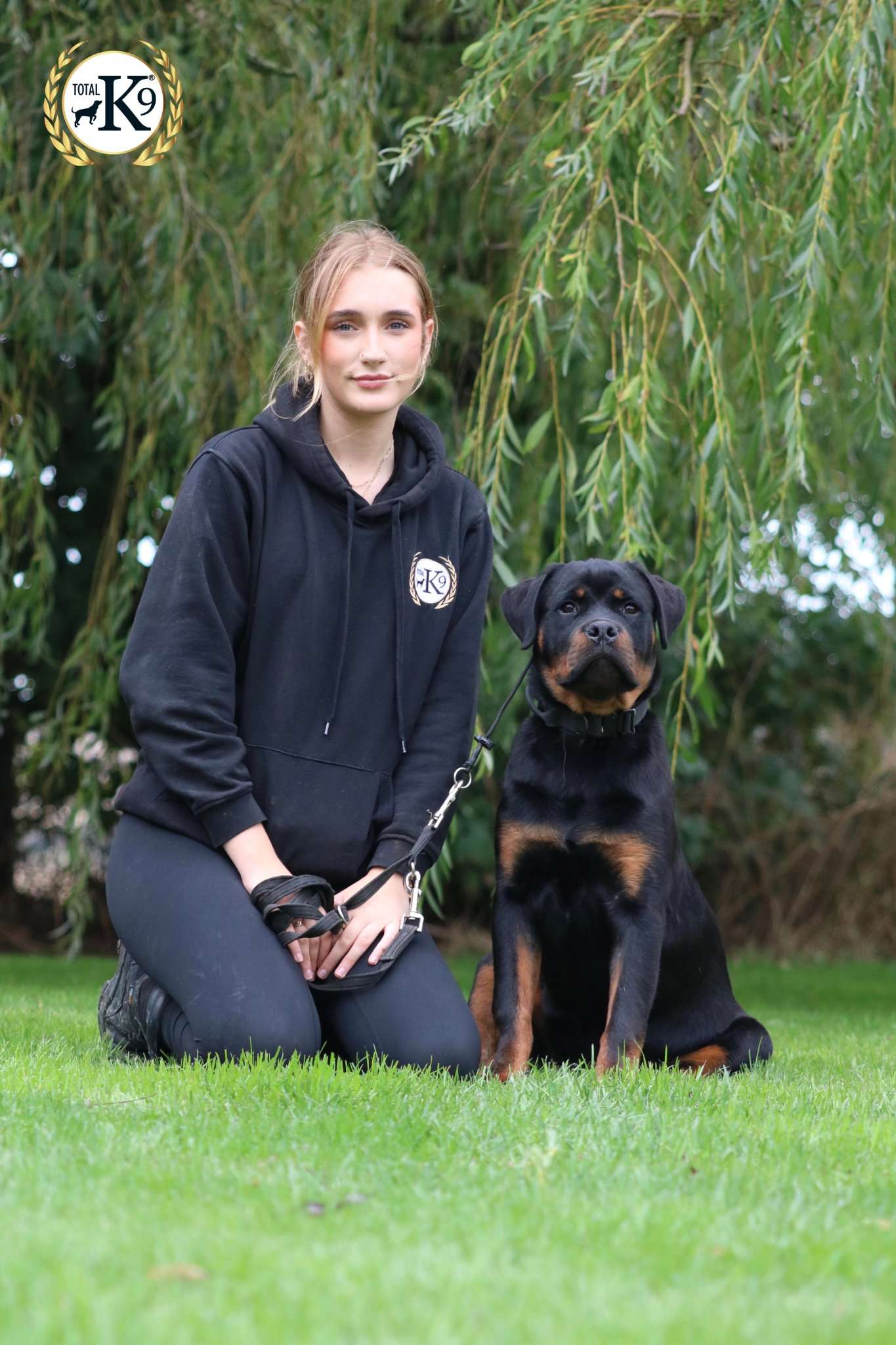

Robert Cammish is an approved NASDU instructor and the professional dog trainer who runs TOTAL K9 ®, training and supplying protection, police, prison and security dogs from our Yorkshire training centre.