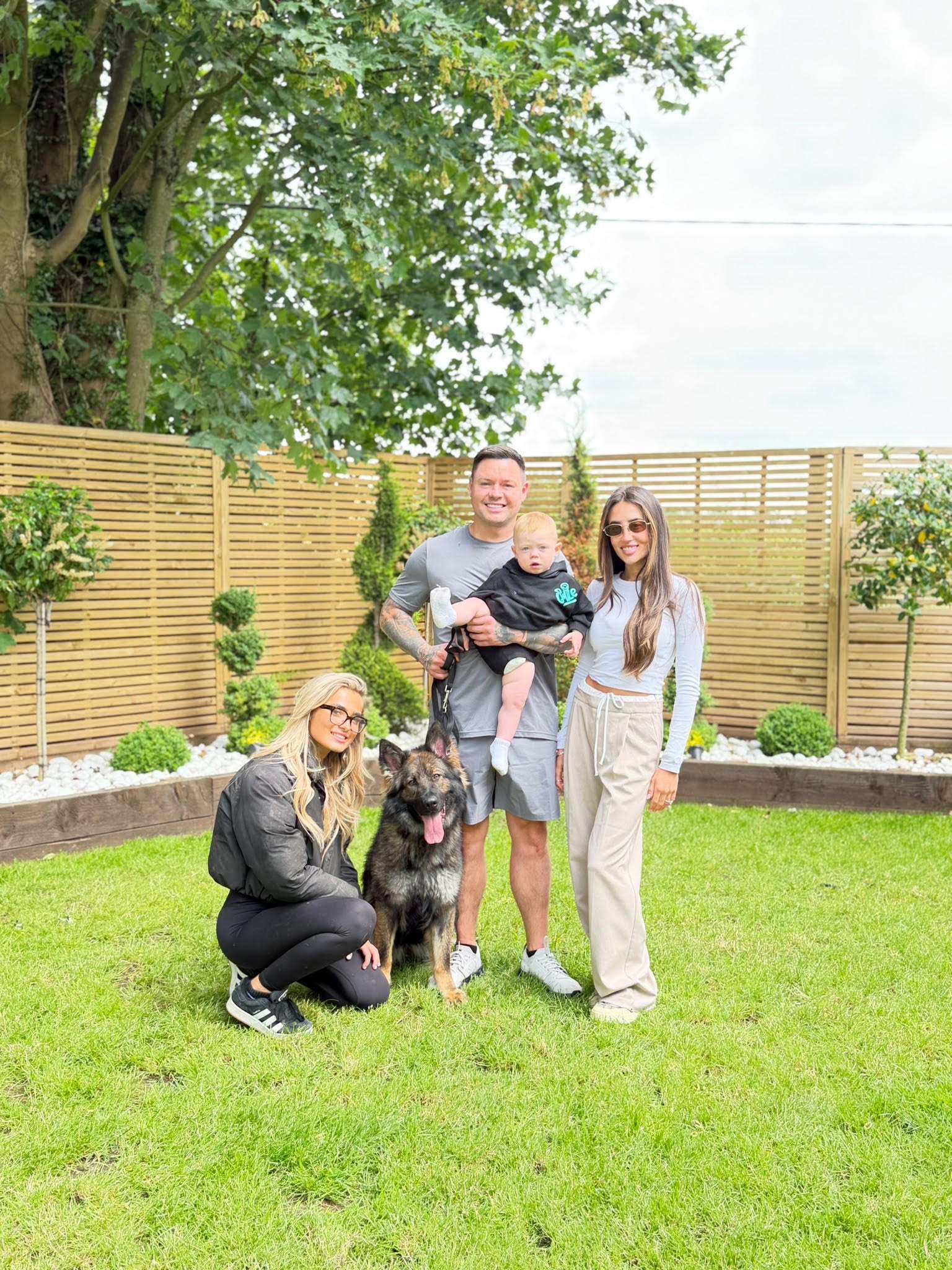
Protection dogs are highly trained, intelligent and athletic companions. It can be easy to assume that these capable dogs require hours of intense exercise every day to remain fit and well-behaved. The reality, though, is that the right routine tends to be more balanced.
A protection dog needs enough physical activity to stay fit, healthy and settled, but exercise is only one part of responsible protection dog ownership. Mental stimulation, structured training, rest and time with the family are equally important.
In this guide, we explain how much exercise a protection dog really needs, what that exercise should include and how owners can create a healthy daily routine.
Every Protection Dog Has Different Exercise Needs
Protection dogs are often selected from active, capable breeds. German Shepherds, Belgian Malinois, Dobermanns and other working breeds are renowned for their strength, intelligence and willingness to work. However, this does not mean that every protection dog needs the same amount of exercise.
Some dogs are naturally energetic and thrive on longer walks, structured play and regular training. Others are calmer around the home and are satisfied with shorter periods of focused activity.
Age also makes a difference. A young adult dog may be able to enjoy more demanding exercise than an older dog, while a growing puppy requires carefully controlled activity to protect its developing joints.
Owners should therefore avoid relying on a fixed number alone. A two-hour walk may be appropriate for one dog but excessive for another. The quality and purpose of the exercise matter just as much as the duration.
How Much Daily Exercise Is Usually Appropriate?
Many healthy adult protection dogs benefit from around 90 minutes to two hours of physical activity across the day. However, this should be treated as a broad guide rather than a strict rule. A balanced daily routine may include a mixture of:
• Daily walks
• Structured obedience work
• Controlled play
• Off-lead exercise in a secure environment
• Short training sessions
• Scent-based activities
• Time exploring new environments
Exercise should usually be divided into multiple sessions, rather than completed all at once.
For example, a dog might have a brisk walk in the morning, a shorter training or play session during the day and another walk in the evening. This is a useful way to maintain a steady routine without placing unnecessary strain on the dog.
When structured correctly, the dog should return home settled and satisfied, not exhausted or unable to relax.
Physical Exercise Is Only One Part of the Routine
Protection dogs typically have plenty of energy to spare, but just burning it up isn’t enough. Ideally, that energy should be used for purposeful activities that engage body and mind.
A long walk with little interaction may provide physical exercise, but it may not fully satisfy an intelligent working dog. In contrast, a shorter walk that includes obedience exercises, scent work and changes of direction can be far more engaging.
Walking Builds Fitness and Familiarity
Walking should form an important part of most protection dogs’ routines. It supports cardiovascular health, muscle condition, joint mobility and weight management. Walks also allow a dog to experience different sights, sounds and smells. This can help maintain confidence and reinforce calm behaviour outside the home.
The pace and environment can be varied throughout the week. Some walks may be brisk and fitness-focused, while others are slower and allow more time for controlled sniffing and exploration.
Protection dog owners should also use walks as an opportunity to reinforce good manners. The dog should remain attentive, responsive and manageable rather than pulling, lunging or becoming overly focused on its surroundings.
Training Provides Mental and Physical Stimulation
Short training sessions can be just as valuable as longer periods of exercise. Practising obedience, recall, heelwork, place commands and impulse control encourages the dog to concentrate and respond to its handler. This type of work can be mentally tiring without requiring excessive physical activity.
Training does not need to take place during a formal hour-long session. Five or ten minutes of focused work several times a day can be highly effective.
Commands can also be incorporated into everyday life. Owners might ask the dog to wait before going through a doorway, walk calmly to heel or settle in a designated place while visitors enter the home.
Play Is Useful, But It Must Be Controlled
Play helps strengthen the relationship between a dog and its owner. Games involving toys, retrieval or gentle tug can provide exercise and enjoyment.
However, play with a protection dog should remain structured. The owner should be able to start and stop the game, ask the dog to release an item and bring the dog back to a calm state afterwards.
Constant high-intensity play may increase arousal rather than help the dog settle. This is particularly important with naturally driven dogs that can become highly excited by movement. The aim is to provide enjoyable activity while maintaining control, rather than relentless excitement.
Mental Stimulation Can Be as Tiring as Physical Exercise
Protection dogs are trained to pay close attention to their surroundings, listen to their handlers and respond appropriately to different situations. Due to this, their minds need regular engagement and stimulation.
Without enough mental engagement, they may become bored or unsettled, even if they receive long walks each day.
Scent games, obedience exercises, problem-solving activities and controlled exposure to new environments can all provide valuable mental stimulation for a protection dog. Owners can hide toys or treats for the dog to find, practise commands in different locations or introduce calm tasks that require patience and concentration.
Even simple activities can make a difference. Asking a dog to remain in place while household activity continues around it requires self-control. Walking calmly through a busy area also demands focus and composure.
Why More Exercise Is Not Always Better
A common misunderstanding about working breeds is that they need to be exercised until they are physically exhausted. This isn’t true, and it can actually become a problem for the owner. Repeatedly trying to tire out a protection dog can create a cycle in which the dog becomes fitter and increasingly dependent on intense activity.
A dog that runs for two hours every day may eventually expect that level of exercise and struggle to settle without it. It also does not guarantee a calmer dog; it may simply build greater stamina.
Excessive exercise can also increase the risk of injury. Repetitive ball chasing, sudden turns, jumping and long-distance running can place pressure on muscles, joints and ligaments. High-impact activity may be particularly unsuitable for young dogs, older dogs or animals with existing health concerns.
Rest Is an Important Part of a Balanced Routine
A protection dog should not need constant activity to remain settled. The ability to switch off, rest calmly and spend quiet time with the family is an important part of everyday life.
Rest gives the body time to recover after walks, training and play. It can also help prevent a dog from becoming overtired or overstimulated. Owners should provide a comfortable place where the dog can relax without being repeatedly disturbed.
A balanced protection dog should understand when it is time to be active and when nothing is expected of it. This calm behaviour should be encouraged alongside exercise and training.
Exercise Requirements Change With Age
A protection dog’s exercise routine should evolve according to its age, health and overall physical condition.
Puppies and Young Dogs
Puppies may appear to have endless energy, but their growing bodies require care.
Long runs, repetitive jumping and high-impact exercise can place unnecessary strain on developing joints. Young dogs are often better suited to shorter walks, age-appropriate play, basic training and controlled social experiences.
Mental stimulation is particularly valuable during this stage. Puppies can learn household routines, simple commands, calm handling and how to settle without being physically overworked.
Healthy Adult Protection Dogs
Adult protection dogs are usually capable of the most varied exercise routine. A healthy adult may enjoy brisk walks, structured training, controlled play and opportunities to explore secure environments.
Consistency is important, but the routine does not need to look identical every day. Some days may involve more physical activity, while others may focus on obedience, scent work and calm engagement.
Older Protection Dogs
Senior dogs still benefit from regular exercise, but the type and intensity may need to change.
Shorter, more frequent walks are often preferable to long or demanding sessions. Slower-paced sniffing walks can provide valuable mental stimulation without placing excessive pressure on the body.
Owners should watch for stiffness, hesitation, limping or difficulty getting up after exercise. These signs may indicate that the routine needs to be adjusted. An older protection dog may no longer need intense activity, but it should still have opportunities to move, explore and engage with its owner.
What Are the Signs That a Protection Dog Needs More Exercise?
A dog that is not receiving enough appropriate activity may begin to show changes in behaviour.
Possible signs include:
• Restlessness around the home
• Difficulty settling
• Excessive attention-seeking
• Destructive chewing
• Repeated pacing
• Increased barking
• Poor concentration
• Weight gain
• Overexcitement at the start of walks
However, these behaviours do not always mean the dog simply needs a longer walk. They may also be caused by inconsistent routines, anxiety, insufficient training, medical discomfort or a lack of mental stimulation.
Owners should consider the dog’s whole routine rather than automatically increasing exercise. Professional advice may be needed if behaviour changes suddenly or becomes difficult to manage.
What Are the Signs of Too Much Exercise?
Owners should also recognise when a dog may be doing more than is healthy. Signs here can include:
• Ongoing tiredness
• Stiffness after activity
• Limping or reluctance to move
• Sore or damaged paw pads
• Heavy panting that continues after rest
• Reduced enthusiasm for walks
• Irritability
• Difficulty settling after intense activity
• Obsessive behaviour around balls or toys
A dog that becomes increasingly excited after exercise may be overstimulated rather than satisfied. The answer may be to reduce high-intensity activity and introduce more calm training, scent work and structured rest.
Limping, ongoing stiffness, unusual tiredness or signs of pain should be discussed with a vet rather than treated solely as an exercise or training issue.
Why Ongoing Professional Support Matters
When a protection dog joins a new home, the owner should receive guidance on exercise, handling and maintaining training. The provider should explain the dog’s daily routine, preferred commands, physical requirements and any activities that should be avoided.
Ongoing support is valuable because the dog’s needs may change after settling into the household. Owners may also have questions as they become more confident and begin taking the dog into different environments.
Professional guidance can help owners avoid providing too little activity, pushing the dog too hard or unintentionally reinforcing unhelpful habits.
Finding the Right Balance for Your Protection Dog
There is no universal exercise schedule that suits every protection dog. Many healthy adult dogs will benefit from 90 minutes to two hours of activity spread across the day, but the routine should always reflect the individual animal.
The most effective approach combines physical exercise with obedience, mental stimulation, controlled play and plenty of rest. A protection dog should be fit and capable, but it should also be calm, responsive and comfortable within family life.
Find Your Next Protection Dog With TOTALK9 ®
At TOTALK9 ®, we carefully match trained protection dogs with owners whose homes, experience and lifestyles suit their individual needs. We also provide the guidance needed to help each dog settle successfully into family life.
Explore our available protection dogs or contact our team to find out more about choosing, training and caring for the right protection dog.